The immune system comprises of two main defence mechanisms, innate immunity and adaptive immunity, and they work together to keep us immune from infection and disease.
Innate Immunity is the first line of defence and offers a rapid, non-specific response to pathogens and harmful microorganisms that can cause disease or infection, like bacteria, viruses, fungi and parasites. It doesn’t have memory and cannot recognise the same pathogen upon re-exposure. Sneezing, coughing and blood clotting on a skin abrasion are examples of how the innate immune system operates.
Adaptive Immunity on the other hand is antigen-specific. It has a memory and displays a stronger response upon re-exposure to the same pathogen. It’s impacted by factors like vaccination, chronic infections, autoimmune disorders, age, immunosuppressive drugs and genetic disorders.
The innate immune system is the body’s first line of defence and uses physical barriers like the skin and mucus, and chemical defences like stomach acid to prevent pathogens from entering the body. When infections occur, it responds with inflammation, phagocytosis (where immune cells engulf and destroy pathogens) and the release of signalling molecules to coordinate the immune response. It functions constantly to protect the body from infection, allowing us to remain healthy despite constant exposure to potential threats.
The innate immune system’s physical barriers include skin and mucous membranes, gastrointestinal tract, respiratory tract, cilia, eyelashes and body hair. Defence mechanisms include secretions, such as saliva, tears and sweat, helping to flush out pathogens. Mucous, which traps pathogens in the respiratory and gastrointestinal tracts, and gastric acid and bile, which kills or neutralises pathogens in the stomach. Inflammation increases blood flow to the infection site, bringing immune cells to the area to combat pathogens.
We can nurture our immune system by adopting a healthy lifestyle and engaging in habits that support and enhance its function. Firstly, we should maintain a balanced diet, eating nutrient-rich foods that provide essential vitamins, minerals and antioxidants that support immune health. It’s important to incorporate foods rich in probiotics (like yoghurt, kefir and fermented foods) and prebiotics (such as garlic, onions and bananas) to support gut health and immune functioning.
Drink plenty of water to keep hydrated to support optimal functioning and engage in regular, moderate exercise such as walking, cycling or swimming. Exercise improves circulation, which allows immune cells to move more freely and effectively throughout the body.
It’s important to also prioritise sleep since sleep is critical for the repair and regeneration of immune cells and the overall functioning of the immune system. Try to establish a regular sleep routine, reduce screen time before bed and create a restful environment that improves sleep quality.
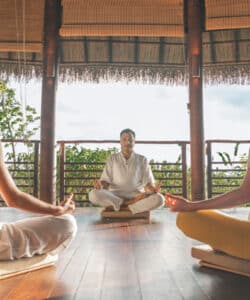
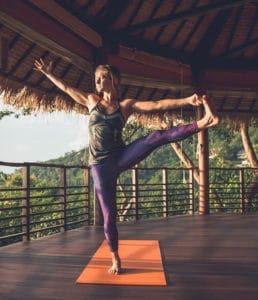
Prolonged stress can weaken the immune system by triggering the release of cortisol, which can suppress immune function. Practice stress-reducing activities such as meditation, yoga, deep breathing exercises or spending time in nature to help manage stress levels. Avoid smoking and excessive alcohol consumption, since this can impair the immune system.
Practice good hygiene. Regular and thorough handwashing, proper food handling and maintaining a clean home help to reduce exposure to pathogens. Be mindful however to choose natural or non-toxic cleaning products, to limit exposure to harmful chemicals.
It’s also important to ensure adequate exposure to sunlight since sun exposure helps your body produce vitamin D, which is essential for immune health. Avoid environmental toxins though, such as air pollution and harmful chemicals, as this can weaken the immune system.
While vaccinations primarily target adaptive immunity, they also enhance the overall immune response by preparing the body to respond more effectively to infections, so stay up-to-date and ensure that you’re fully vaccinated when travelling abroad.
Kamalaya Koh Samui Wellness Sanctuary & Holistic Spa offers a Resilience and Immunity retreat in Thailand that’s ideal for building strength and resistance, achieving optimum immunity and identifying potential areas of immune weakness. Working with Kamlaya’s leading wellness consultants, TCM (Traditional Chinese Medicine) practitioners and life enhancement mentors you’ll get professional support for autoimmune conditions, discover the right foods to support your system and foster a calm and balanced mind. It’s highly recommended for those recovering from post-viral fatigue, particularly Covid 19.