In a world of constant stimulation, understanding how the mind operates, and developing the tools to support it, is essential for maintaining both emotional wellbeing and cognitive performance.
At the core of this lies mind management, which connects how we think, feel, and function daily. Rather than being fixed or passive, our thoughts and memories are fluid processes, continually shaped by our attention, emotional state, environment and behaviours. By becoming more aware of these influences, we can cultivate deeper thinking, improve memory, and develop a more resilient, balanced, and responsive mind.
To manage the mind effectively, it is important to first understand the relationship between thoughts and memory.
Thoughts are active and immediate. They reflect what we are processing in the present moment. Memories, on the other hand, are stored impressions of past experiences that the brain retrieves and reconstructs when needed.
However, these processes are far from separate. Thoughts can reshape memories over time, subtly altering how our experiences are recalled, while memories themselves influence the direction, tone, and patterns of our thinking.
This interplay is particularly significant when it comes to emotional health. For example, repetitive negative thinking can reinforce certain memories, whereas more balanced or reflective thinking can help reframe them. Over time, this cycle either strengthens mental resilience or deepens unhelpful cognitive patterns.
Attention is very important too. If thoughts and memory are the building blocks of the mind, attention is the mechanism that holds them together. What we choose, or are able to focus on, determines not only what you think about, but also what you remember.
In today’s distracted environment, fragmented attention has become the norm. Constant notifications, multitasking and information overload disrupt the brain’s ability to form stable, coherent thoughts. This is why we sometimes find ourselves losing track mid-sentence or forgetting what it was we were about to say. Without sustained attention, thoughts remain incomplete and are less likely to transfer into memory.
In contrast, when attention is focused and intentional, the mind can engage in deep thinking. Ideas become clearer, connections strengthen, and information is more effectively encoded. Improving attention, therefore, is one of the most powerful ways to support both cognitive performance and emotional stability.
Emotional health plays a central role in how memories are formed and recalled too. The brain naturally prioritises emotionally significant experiences, which is why moments of joy, fear, or stress tend to be more memorable.
When emotional strain becomes chronic however, the impact on the mind can be less helpful. Ongoing stress or anxiety can impair memory by overwhelming cognitive resources, therefore reducing the brain’s ability to process and store information effectively. Over time, this may lead to forgetfulness, mental fatigue and a reduced capacity for cognitive flexibility.
This is where mind management is particularly important. We can actively support emotional balance through practices like mindfulness, rest and self-reflection – creating the conditions in which the brain can function optimally. A calmer emotional state allows for clearer thinking, stronger memory retention, and a greater sense of control over our mental processes.
Another key component of a healthy, well-managed mind is cognitive flexibility. The ability to adapt, shift perspective and think in a more open and creative way. This flexibility underpins deep thinking, allowing us to move beyond surface-level reactions and engage more meaningfully with information.
Developing cognitive flexibility requires intentional effort like exposure to new perspectives, engaging in thoughtful discussion, and challenging habitual ways of thinking – all of which help to expand the mind’s capacity. Over time, this not only enhances cognitive performance but also supports emotional resilience.
When combined with supportive lifestyle habits such as quality sleep, balanced nutrition, and stress management, these practices form the foundation of effective mind management.
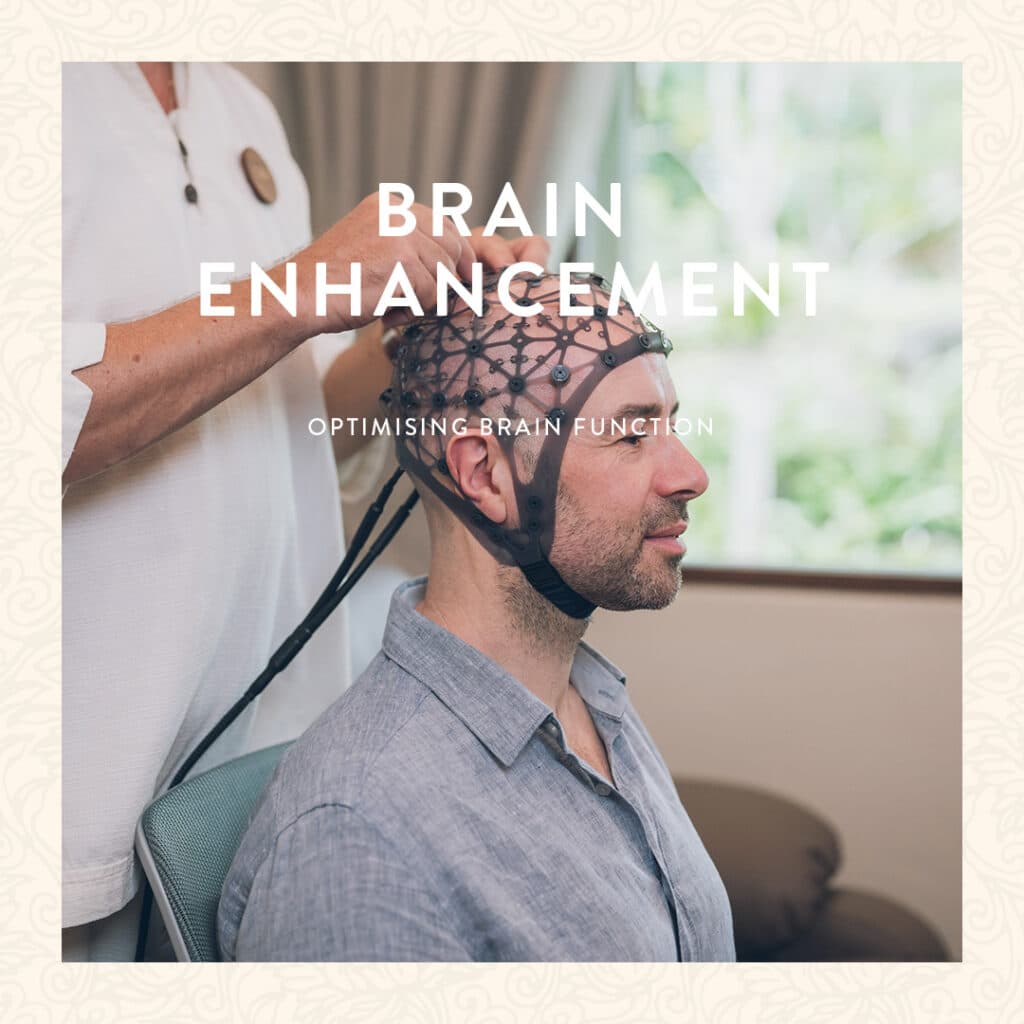
For those looking to take a more focused and immersive approach to mind management and emotional health, Kamalaya’s Brain Enhancement program offers a structured pathway to improving mental clarity, cognitive function, and overall brain health.
Combining advanced neuroscience with traditional healing practices, the program is designed to balance the nervous system, enhance emotional resilience, and support optimal brain performance at its root.
Guided by a team of specialists including a neurofeedback trainer, wellness consultant, and life enhancement mentor, the program takes a preventative yet restorative approach – addressing concerns such as brain fog, memory decline, anxiety, and poor sleep. The result is a more focused, energised, and resilient mind, supported by practical tools for long-term wellbeing.
Find out more about Kamalaya`s Brain Enhancement program.