Our busy schedules, compounded with deadlines, devices and distractions, often makes sleep the first wellness factor that we compromise in our modern way of living.
Restorative sleep is a natural medicine and a cornerstone for our health and healing, so it’s surprising how quickly we shuffle it down our self-care list. With it, unfortunately, moves other important aspects of our wellness too. Once we’ve compromised a good night’s sleep, we have less energy and are more likely to crave unhealthy foods and we’re less likely to engage in planned physical and personal growth activity. Our emotional resilience and mental clarity is weaker too, which puts extra pressure on our ability to live well.
Not only this, sleep is an essential renewal process. While we sleep, our body repairs, the mind processes, and our inner systems realign, so when it’s disrupted the healing process is also interrupted and over time, it affects everything.
“Implementing a healthy sleep schedule doesn’t have to involve any radical lifestyle changes. The experts at Kamalaya Wellness Sanctuary suggest that making small changes to your daily routine and minor adjustments to your environment can help you develop effective long-term nighttime habits.”
Commit to a consistent sleep schedule
One of the simplest yet most effective ways to improve sleep is to go to bed and wake up at the same time every day, even at the weekend. This consistency helps regulate the body’s circadian rhythm (internal clock), which in turn makes it easier to fall asleep at night and wake naturally in the morning. If we constantly shift the time we sleep and wake, the body struggles to maintain a healthy rhythm. We should also aim for at least seven to nine hours of sleep per night, depending on your needs.
Build a calming bedtime routine
Our brain thrives on routine, and a consistent wind-down ritual can cue the body that it’s time to prepare for sleep. This could include low-effort, relaxing activities like dimming the lights, reading a book, listening to gentle music, meditating, or having a warm bath. Kamalaya’s lifestyle professionals avoid anything overly stimulating, like high-octane films or late-night emails, because over time, these signals train the body to naturally shift into sleep mode, which makes it easier to drift off.
Create a sleep-friendly environment
Your bedroom should be your sanctuary. A space dedicated to rest and relaxation. According to current studies, we should keep our sleep space at optimum room temperature, ideally between 16–18°C, and it should be a quiet place, and as dark as possible. In warm to tropical regions, such as Thailand, where the temperature is consistently high and only light blankets are used, an ideal ambient temperature of 20–22°C can be assumed. It’s worth investing in blackout curtains, and if there is noise, use earplugs or a white noise machine to avoid distractions. A tidy uncluttered room can also contribute to a sense of calm that supports an easier drift of.
Cut back on-screen time before bed
The blue light emitted by phones, tablets and computers interferes with the production of melatonin, a hormone that tells our body that it’s time to sleep. Despite demanding schedules, it’s important to try to turn off electronic devices at least an hour before bed – or at least use night mode or blue-light filters in the evenings. They say we should opt for soothing over scrolling, so reading or journaling, or a guided meditation before bed.
Be mindful of what you consume
Evening food and drink choices can significantly affect our sleep quality. According to the experts from most cultures, we should avoid heavy meals late in the evening, as the body will still be busy digesting when it should be healing and winding down for deep rest. Caffeine can linger in the system for hours, so it’s best to avoid it from the afternoon, like alcohol, which makes us feel sleepy initially, however significantly disrupts the sleep cycle and can lead to frequent wake-ups during the night.
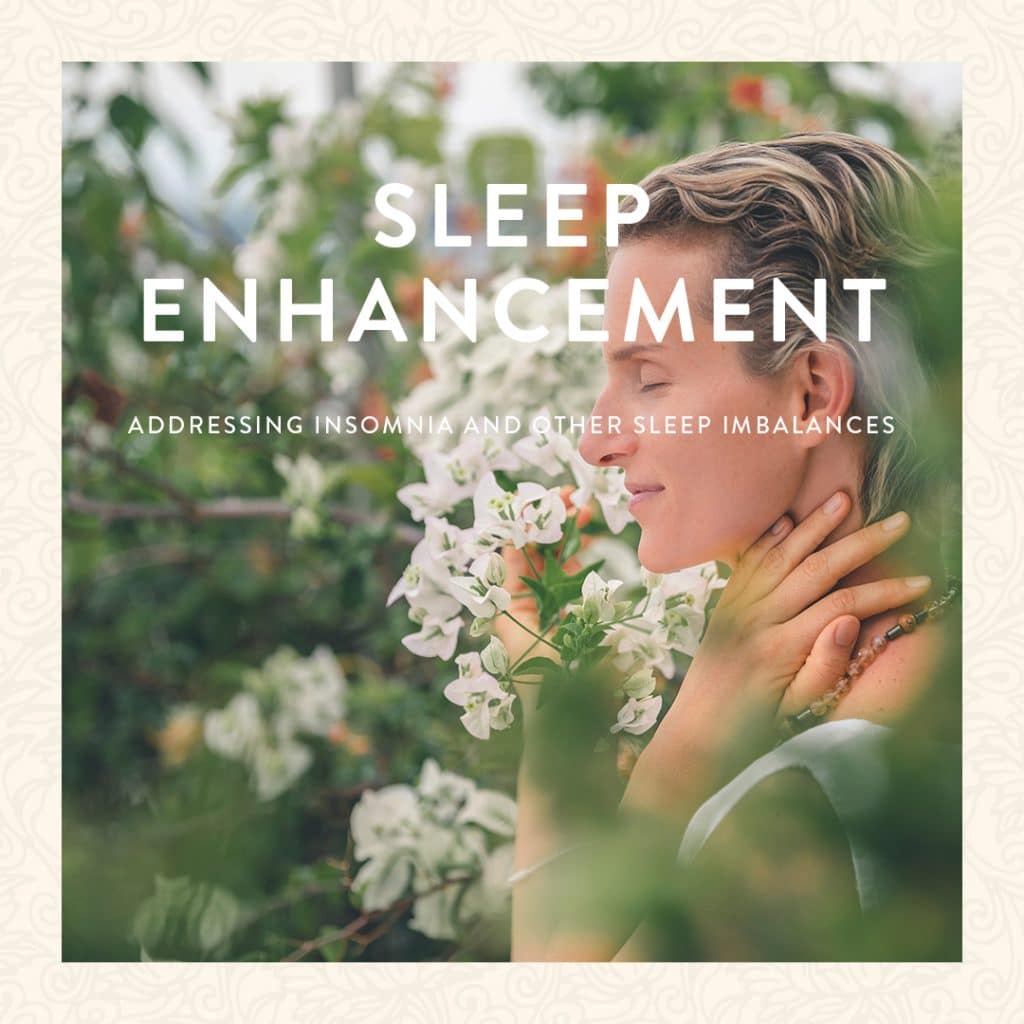
If you’ve tried these strategies and require more personalised support for sleep management, explore Kamalaya’s Sleep Enhancement Wellness Programme here in Thailand. Designed to support you on your journey to lifelong wellness it draws on Traditional Chinese Medicine, holistic therapies and lifestyle guidance, helping you to calm the mind, regulate the nervous system and restore healthy sleep patterns. With the support of experienced practitioners, you’ll learn practical tools and takeaways to improve both the depth and quality of rest, naturally and sustainably.